


The Fourth and Current Gym
May 9
6 min read
Updated: Jun 9
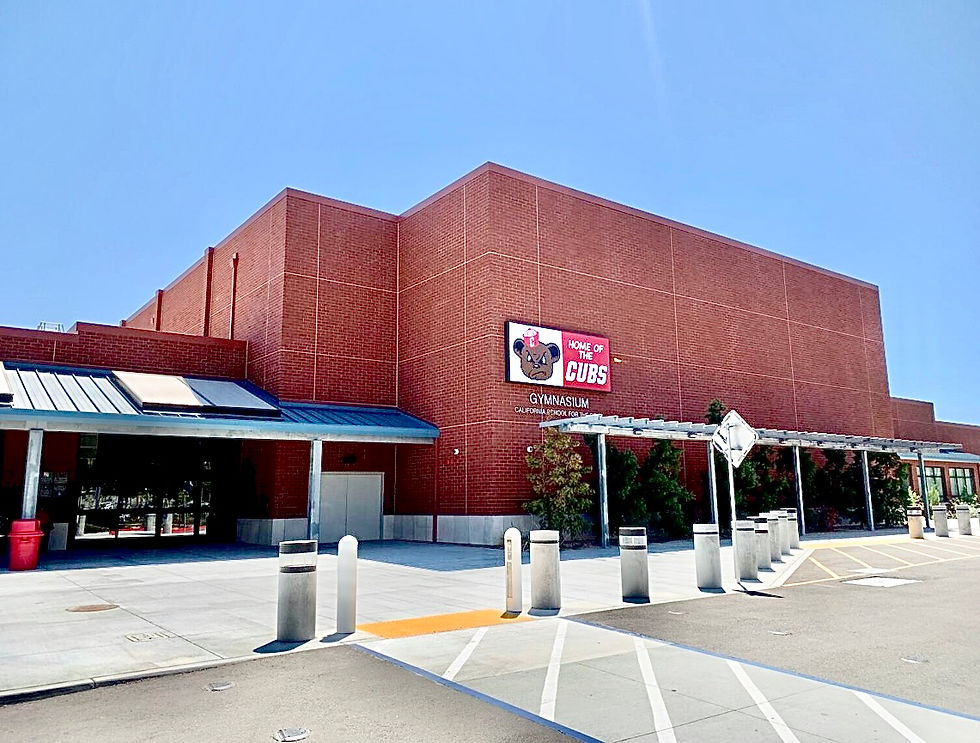
In 1953, the brand-new school began with a small two-room gymnasium next to the old, small swimming pool.

With the construction budget to build the whole school for merely $7 million from 1951 to 1958. Unfortunately, there was not enough funding to construct a much larger gym. The small gym was the only option we had for PE for budget reasons until January 1960 when the new and second gym finally opened for use. The new gym cost around $500,000. We still kept the first and small gym for PE and league wrestling practice until its demolition around 2017.

In 1998, Pioneer PE Teacher and Athletic Director Bill Thornton (1953 to 1984) said in an hour-long interview at his home that Dr Brill assigned him a summer project to design a new gym. Bill toured nearby school gyms to get an idea for his wish list. He fell in love with the gym with adjoining rooms for different purposes at UCR and copied its floor plan with adjustments for CSDR.
The third gym opened at the MAC around 2005. It did not have a smooth start because the multi-purpose MAC building had a beautiful design concept on the drawing board in 2001, but there was limited feedback from Deaf stakeholders to refine it for vision access.
In the final phase of the MAC blueprint, the California Department of Education (CDE) initially declined to make additional changes. Athletic Director Len Gonzales, ‘91, and Residence Hall Director Farley Warshaw, ‘74, argued that, due to insufficient input from Deaf stakeholders, the design would not fully support a Deaf-friendly space and vision. The Department reversed and agreed to allow only one major change, but Len and Farley successfully fought for the two paramount changes to stay intact.
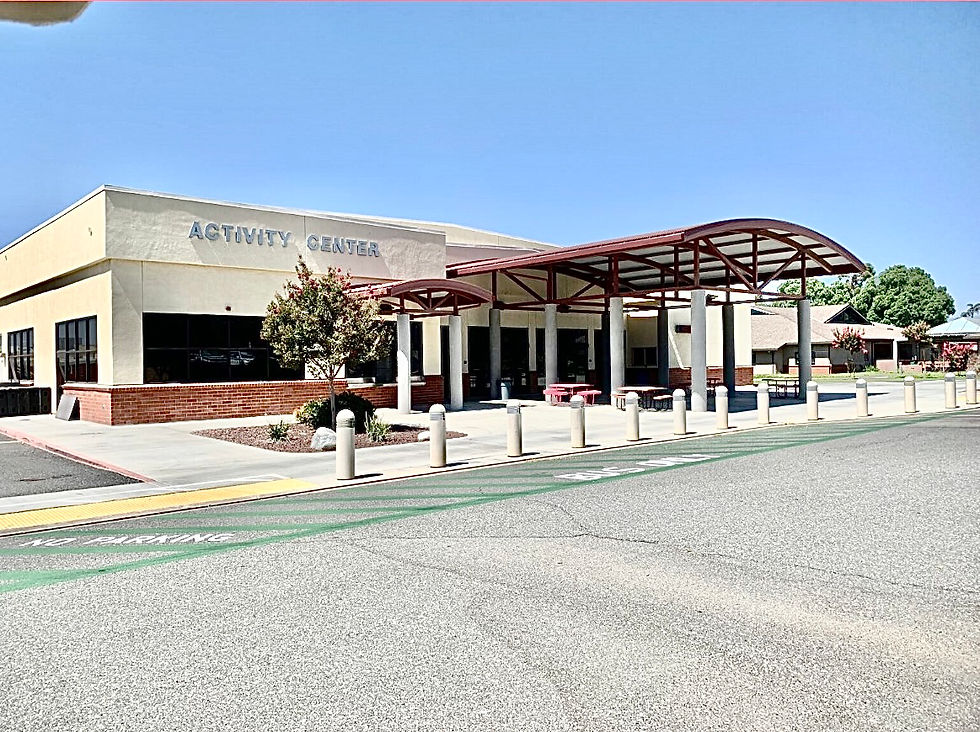
Raising the MAC ceiling to accommodate a volleyball traveling to a higher height.
Moving the play stage from the end of the basketball court to mid-court, making it more Deaf-friendly, and improving visibility and access.

Additionally, one minor change was allowed to expand the storage room for PE and athletics equipment. A few months later, the two major changes and the minor change were officially approved. Way to go for CSDR!
These last-minute changes soon had a significant impact on the sports. Varsity volleyball games were able to be held in the MAC gym with the higher ceiling during the CAVE (main gym) construction. Also, many non-athletic events took place there, thanks to the improved stage setup. As a result, the Social Hall was no longer the only venue on campus available when a stage was needed.
The CAVE Gym (2002–2003)
Despite intriguing stories and wonderful memories, the original gym, built in 1959, had been deemed outdated.

The older main gym had small bleachers that could hold only 225 people on one side, poor lighting, limited office space for staff and coaches, a small entrance area, and frequent electrical issues caused by outdated wiring and breakers. There was no air conditioning, and the concession area was very small. Forty years later, the CSDR gym had already become one of the oldest and most outdated gyms in Riverside due to the rapid change of technology.

The adjacent swimming pool was also small and aging, and scheduling space was limited as the Athletic Department expanded from high school to include elementary programs under Athletic Director Gonzales.

The proposed new gym, unfortunately, was not included in the $250 million campus master plan approved earlier for new buildings, like cottages, and renovations, such as the dining hall and the Brill administration building.
Len and Farley rolled up their sleeves and proposed adding a new gymnasium to the master plan, but the CDE initially declined because the new MAC had recently been completed. The CDE was reluctant to build another gym too soon.

In response, Len sat down and developed an eight-page proposal explaining in detail why a new gymnasium was necessary—especially for high school students. He outlined how the new facility, including a main gym, a smaller auxiliary gym, upgraded pools, a wrestling room, a weight room, locker rooms, offices, expanded storage, and improved Deaf-friendly design would enhance student opportunities in athletics, teamwork, and school spirit.

The CDE relented and invited Len to Sacramento to present his proposal for to the legislative team and other government officials for the expanded CSDR master plan. He answered multiple questions and provided further clarification. The meeting was three-hour long.

After several months of discussions, the CDE finally approved the addition of a major gym in the master plan at a late stage and secured extra funding. This approval was considered a remarkable achievement in how the state government budget operates, as adding a major project at the last minute is nearly impossible. Thank you, Sacramento.
After three years at CSDR, Len transferred to the sister school at Fremont at the end of the 2004-2005 year. Farley took Len’s place as the contact person for further consultation with CDE and the Department of General Services (DGS) which owns all state buildings and landings.

As expected, there came some adjustments to the CAVE blueprint. Farley thrusted himself to fight the CDE when they considered eliminating the wrestling room and the auxiliary gym. He followed up with numerous meetings with CDE and DGS to address the importance of keeping them as planned.

Farley also considered installing bleachers on both sides, following the CSD's setup in Fremont. He emphasized the importance of visibility for Deaf people and the need for Deaf space. In the end, both sides compromised on setting up 650 seats on one side and 350 on the other.

To ensure the CSDR community recognizes Len as the brainchild for laying the foundation for a new major gym with multiple rooms for different functions, and Farley carried out Len’s vision to a successful end with a Deaf-centered gym that featured many improvements over the previous gym.
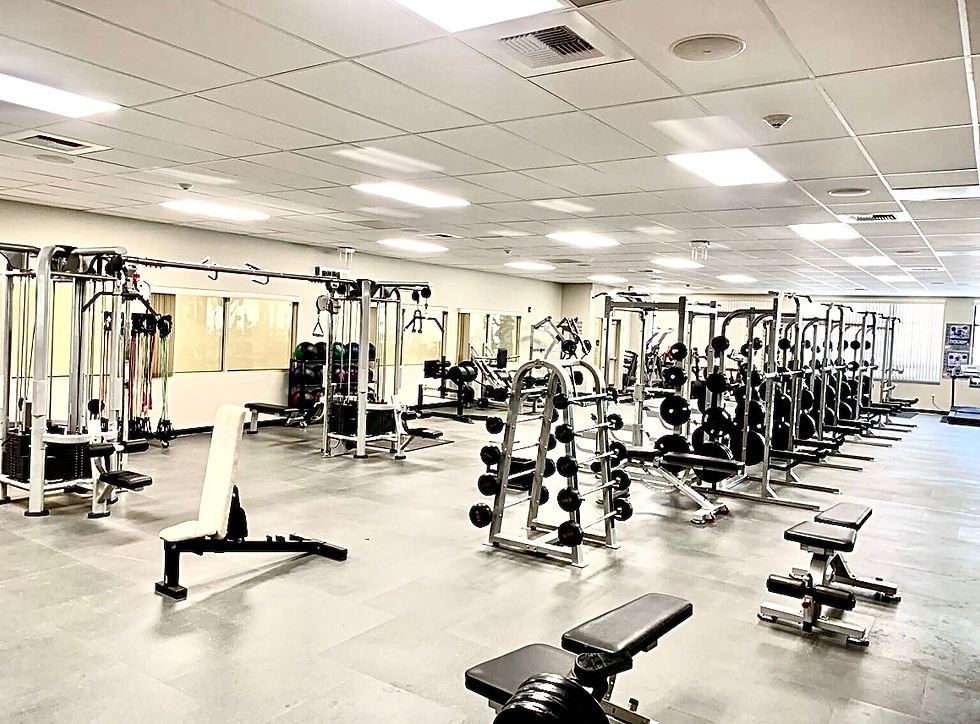
Ethan Bernstein, ‘79, added that he was temporarily assigned to CSDR from CSDF for five months in 2014-15. The new gymnastics were almost completely built. The state architect gave him a tour of the near-completed facilities and praised Len for making the massive gym dream come true the way it did.
As a result, the new 45,000-square-foot, $22 million CSDR CAVE is now considered one of the best gymnasiums in Riverside and among the top in Deaf schools nationwide.

Kevin Struxness, ‘76
Editor, CSDR Old Times
14 May 2026




Comments